June 13, 2025
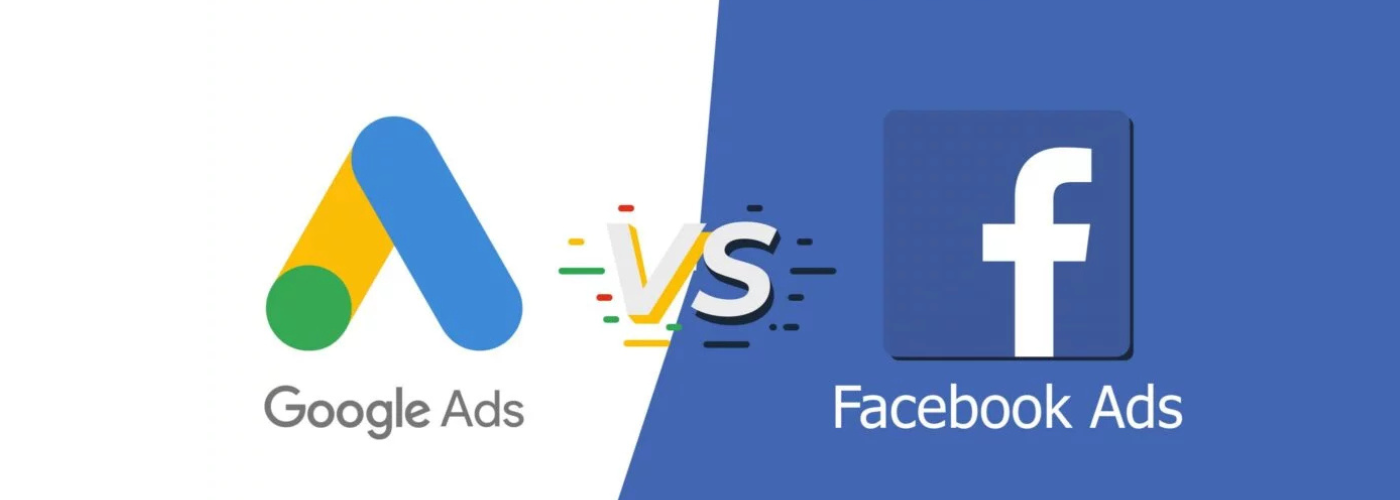
Choosing Between Facebook and Google Ads in 2025: What Works Best for Your Business?
If you're planning to invest in paid advertising in 2025, one big question probably comes up:
Should you go with Facebook Ads or Google Ads?
The truth is that both platforms are effective but in different ways. Let's explore how they work and figure out which is best for your business.
Understanding Facebook Ads in 2025
1. Audience-Based Targeting: You can reach people based on their demographics, interests, and habits via Facebook Ads (under Meta), even before they realize they need your product.
2. Great for Brand Awareness: If you're looking to create demand and build a community, Facebook and Instagram are the perfect places to start.
3. Visual-First Platform: When scrolling casually, strong creatives (such as carousels, tales, and reels) work effectively and can grab attention.
4. AI & Automation Tools: Meta’s smart delivery options in 2025 let you optimize creatives, copy, and placements automatically.
Best For:
● E-commerce brands
● Awareness campaigns
● Retargeting previous visitors
● Businesses with engaging visuals or storytelling content
Understanding Google Ads in 2025
1. Search Intent Focused: Google makes it possible for you to show up when someone is actively looking for something, which is ideal for capturing existing demand.
2. Multiple Campaign Types: From Search and Display to Performance Max and YouTube ads, Google covers a wide digital territory.
3. High Conversion Potential: People who click on Google Ads are often ready to make a purchase, make a reservation, register, or call.
4. Advanced Machine Learning: Google's 2025 algorithms optimize bidding, targeting, and creatives across multiple platforms.
Best For:
● Service-based businesses
● Local searches
● High-intent lead generation
● Brands with specific product or service offerings
Key Differences in Strategy
So, how do these two compare in terms of what they do for your brand?
1. User Intent: Google Ads target people with high intent, those who are actively searching. Facebook Ads interrupt passive browsing with engaging offers.
2. Targeting Power: Facebook allows precise targeting based on interests and demographics. Google allows intent-based targeting through keywords and search behavior.
3. Creative Formats: Facebook thrives on thumb stopping visually stunning content, such as carousels, stories, and reels. Google leans more toward text ads, product listings, and dynamic videos on YouTube.
4. Learning Curve: Google's automation is useful but complex. Facebook's ad manager is more user-friendly. Although both systems now largely depend on machine learning to optimize campaigns.
5. Budget Allocation: Facebook may give lower CPCs for brand visibility, whereas Google may be more expensive but also more immediate in conversions.
Using Both Together: A Smart Strategy
Instead of choosing one over the other, many businesses in 2025 are combining both platforms:
● Run Facebook Ads to build awareness and attract engagement
● Use Google Ads to convert that interest into action
● Retarget website visitors from either platform across both channels
● Collect data and optimize based on what performs best
There is no one-size-fits-all answer to the question of whether to use Facebook or Google Ads in 2025. What counts is where your audience is and how they behave while they're there. Lastly, the platform that best suits your business objectives, your audience's journey, and your creative strengths will be the most effective.
FAQs
Q1: Can I run both Facebook and Google Ads at the same time?
Yes! In fact, many successful businesses run them together as part of a full-funnel digital strategy.
Q2: Which platform is cheaper in 2025?
Facebook may have lower cost-per-click, but Google often drives more immediate conversions. It depends on your campaign goal.
Comments
No comments yet. Be the first to comment!